7 Signs It Is Time to Replace Your Old Rockingham Roof
Rockingham roofs face strong sunlight, winter storms and, particularly near the coast, salt-laden air. Over time, these conditions can damage roofing materials, fasteners and protective finishes. While an isolated leak may only need a repair, widespread deterioration can make roof replacement the more practical long-term option.
These seven warning signs can help you decide when to arrange a professional roof inspection. Inspect from ground level wherever possible: climbing onto an ageing roof creates fall risks and can damage fragile materials.
1. Leaks Keep Returning After Repairs
A single leak around a flashing or damaged tile does not automatically mean your roof needs replacing. However, repeated leaks in different areas can indicate broader deterioration of the roof covering, underlay or junction details.
Look for ceiling stains, peeling paint, damp insulation and musty smells after rain. Ask a roofing contractor to identify the entry point rather than simply patching the visible stain. Water can travel along framing before appearing indoors.
If previous repairs repeatedly fail, request a comparison between targeted repairs and replacement, including the likely remaining life of https://cruzwecx170.pinehavenscope.com/posts/a-practical-guide-to-roof-tie-downs-for-wind-resistance the existing roof.
2. Metal Sheets Show Widespread Rust or Corrosion
Coastal exposure makes corrosion an important concern for metal roofs in Rockingham. Rust around fasteners, sheet overlaps and cut edges deserves attention, especially where protective coatings have deteriorated.
Surface corrosion may be treatable, but perforated sheets, extensive metal loss or widespread fastener failure can justify replacement. Repainting does not restore metal that has already corroded away.
When considering a new metal roof, ask for products and compatible fixings suitable for your property's distance from breaking surf and local exposure. Coastal warranty conditions vary by product, so check the manufacturer's requirements rather than assuming every coated steel roof suits every coastal location.
3. Tiles Are Breaking or Deteriorating Across Large Areas
A few cracked or displaced tiles can often be replaced individually. Replacement becomes more worth considering when breakage is widespread, tiles repeatedly slip, or the roof has significant deterioration alongside failing battens or underlay.
Faded colour alone is not proof that a tiled roof has failed. Likewise, damaged ridge pointing may be repairable without replacing the entire roof. Ask the inspector to distinguish cosmetic ageing from defects that affect weather protection.
If matching replacement tiles are difficult to source, discuss how that affects future maintenance and the practicality of continued repairs.
4. The Roofline Is Sagging or Visibly Uneven
A noticeable dip in the ridge, bowed roof sections or newly uneven lines may indicate damaged framing, excessive loading or other structural problems. These issues need assessment, not a cosmetic roof restoration.

Arrange an inspection promptly and ask whether a structural engineer is required. A new roof covering will not correct weakened rafters or trusses unless the underlying problem is also addressed.
If sagging appears suddenly, or a ceiling is bulging beneath a suspected leak, keep people away from the affected area and seek urgent professional assistance.
5. Storm Damage Is Extensive or Repeated
Strong winds can lift sheets, loosen flashings and displace tiles. If several parts of the roof suffer damage during storms, the problem may extend beyond individual components to deteriorated fixings or inadequate attachment.
After severe weather, check from the ground for missing materials, lifted edges and debris. Photograph visible damage when it is safe, and contact your insurer before authorising substantial non-emergency work if you intend to claim.
A replacement assessment should consider the roof's fixing requirements, flashings and local wind exposure—not just the appearance of the new material.
6. Ageing Materials Need Increasingly Frequent Repairs
There is no single replacement age that applies to every Rockingham roof. Material quality, installation, maintenance and coastal exposure all affect service life. However, an older roof that needs repeated repairs deserves a whole-roof condition assessment.
Compare the cumulative cost of recent repairs with a replacement quote, while considering how much useful life further repairs are likely to provide. Request written findings supported by photographs.
If an older property has suspected asbestos-cement roofing, do not drill, pressure-clean, cut or disturb it. Arrange identification and advice from an appropriately qualified professional. Asbestos removal and disposal must follow applicable Western Australian requirements.
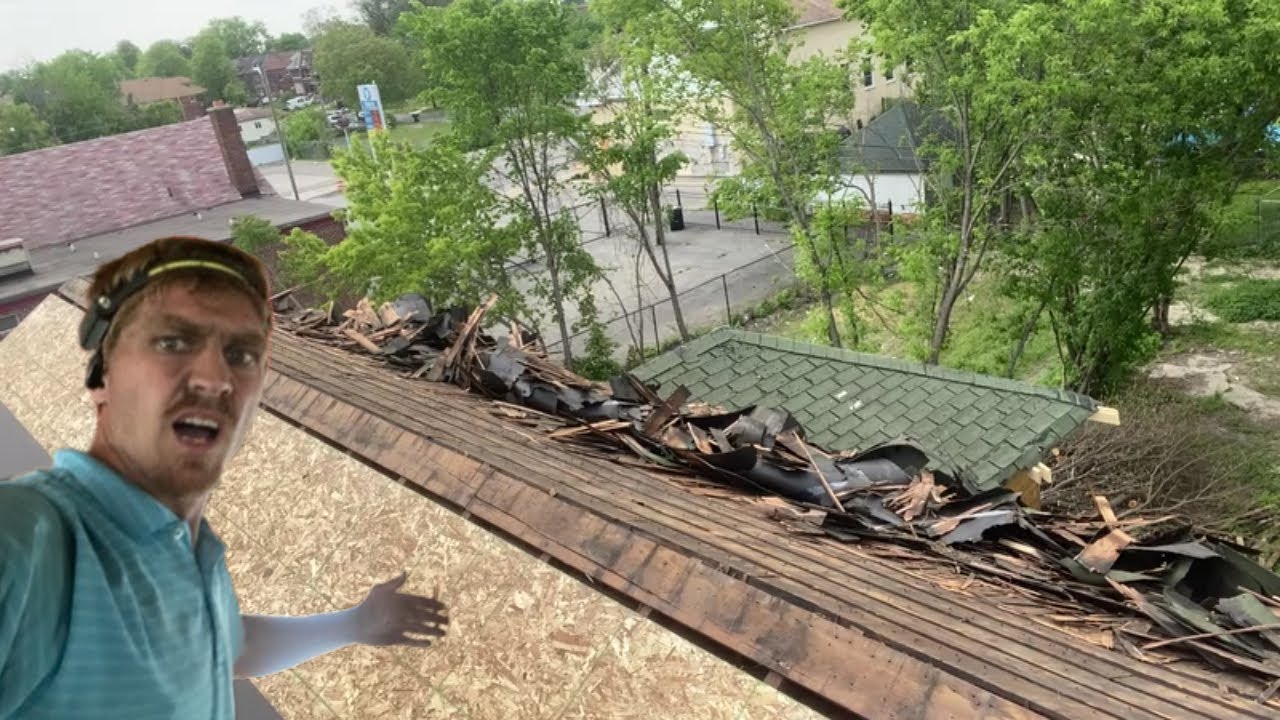

7. Widespread Defects Make Restoration Poor Value
A roof may reach the point where cleaning, recoating or patching no longer addresses its main problems. Multiple leaks, deteriorated sheets or tiles, failing flashings and damaged supporting components can make a restoration poor value.
Heat or condensation problems alone do not necessarily require roof replacement; insulation, ventilation and moisture sources should also be assessed. However, if replacement is already necessary, it provides an opportunity to review suitable insulation, condensation management and roof colour.
Be cautious of any proposal that promises a coating will fix structural damage, extensive corrosion or broken roofing materials.
What to Check Before Replacing Your Rockingham Roof
Obtain detailed written quotes that specify the removal and disposal of existing materials, any framing or batten repairs, new roofing, flashings, fixings and associated gutter work. Confirm whether insulation or underlay is included and how the property will be protected from rain during construction.
Check contractor credentials, insurance and warranty terms. Approval requirements depend on the scope of work, so confirm any necessary permits with the City of Rockingham. Changing from tiles to metal, or vice versa, may also require assessment of structural and tie-down requirements.
The best decision comes from an inspection, not age alone. A sound roof with isolated defects may remain serviceable after repairs, while widespread deterioration is a stronger reason to plan a full roof replacement.
Rockingham Roof Restoration
Unit 7, 8 Livingstone Rd, Rockingham WA 6168
(08) 9515 3009